
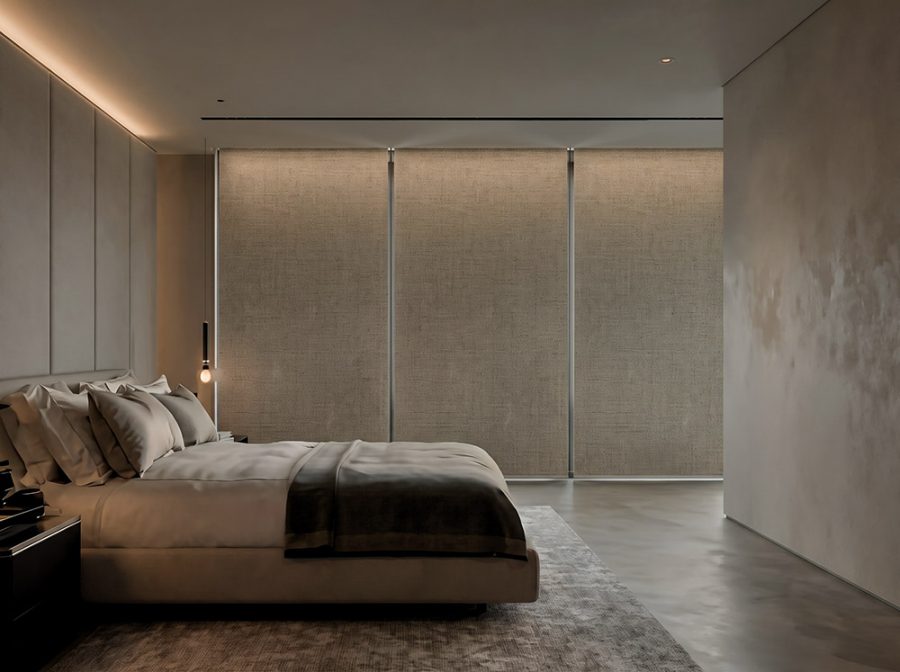
The rest is written by the people who live within it.
Understanding the Use
The requirements of a room are shaped by more than its label on architectural plans.
As with any good design, people should be at the centre. Understanding their habits and preferences, and how they use the room, is fundamental to designing the right window treatment.
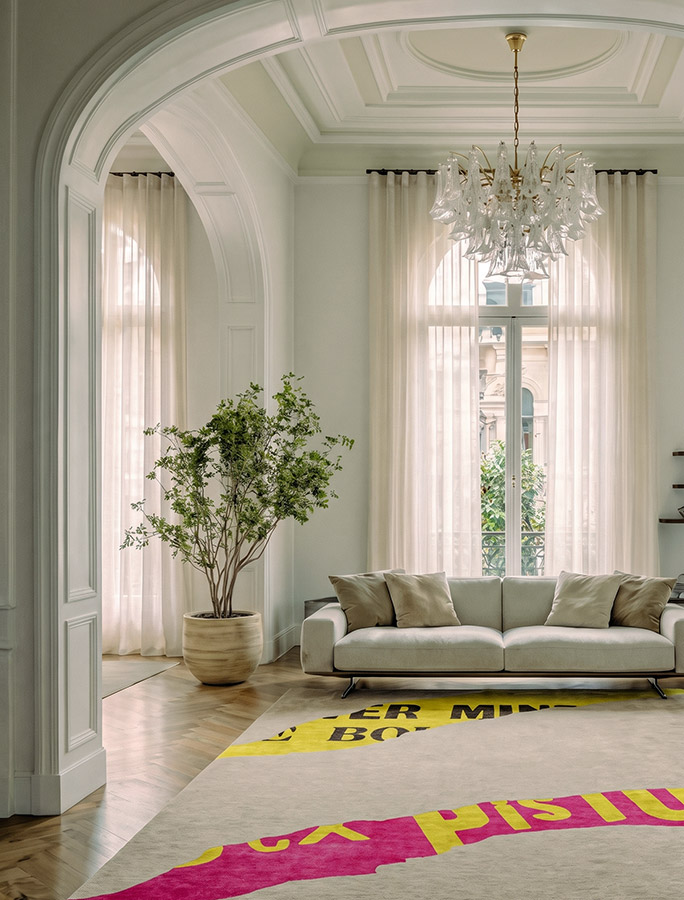
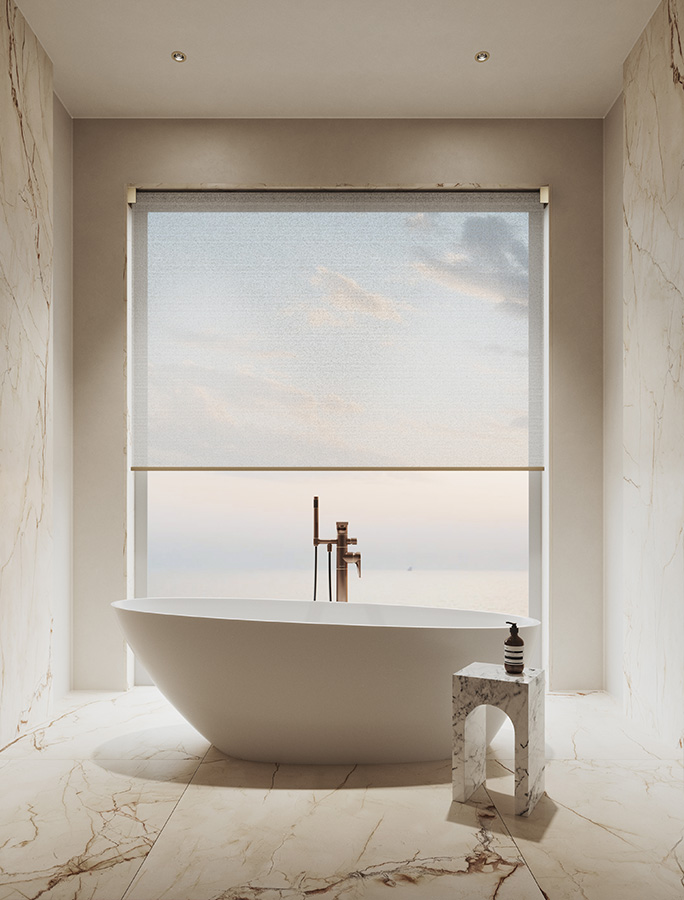
A bedroom occupied by someone sensitive to early morning light has different requirements from one where waking naturally with daylight is preferred. A living space facing a busy street may need daytime privacy, while the same room overlooking a private garden may not. A dining room used as a workspace during the day introduces requirements that its name alone would never suggest.
Function has to be established rather than assumed.
Everyday Use
How a window treatment will be used day to day is an important consideration. How often it will be opened, closed or adjusted, how easily it can be reached and whether several treatments will usually be operated together can all influence the specification.
A solution that offers greater flexibility is not necessarily more functional. Multiple layers or individually operated blinds may provide more options, but they can also introduce unnecessary complexity. The value of that flexibility depends on how useful those options are in daily life.
The method of operation is part of the same consideration. Manual operation may be perfectly appropriate for an easily accessible window, while large areas of glazing, difficult-to-reach windows or groups of treatments operated regularly may make motorisation a more practical choice.
The best solution is not necessarily the one that offers the most options, but the one that makes the right options easy to use.
Studio Note
More control does not always make a system easier to use. Consider five windows, each with two motorised layers. Assigning every blind to a separate channel may provide maximum individual control, but it can also mean navigating ten individual channels for something that may be used in only two or three ways each day.
How motorised treatments are grouped and operated should reflect the way they will actually be used. The aim is to find the right balance between the control that is genuinely required and simplicity in everyday use.
Consistency Without Uniformity
Every room places different demands on light, privacy and comfort. Many spaces also perform more than one function throughout the day.
The objective is therefore not to apply the same solution throughout a home simply for visual consistency, but to allow each room to respond to its own requirements while maintaining a sense of continuity throughout the interior.
Consistency does not require uniformity. The common thread might be the finish of the hardware, the style and detailing of the curtains, or the positioning of the treatments, while fabrics, levels of privacy and room darkening vary according to the requirements of each space.
Every room is different. Its window treatment should respond accordingly, while remaining part of the overall interior.
Every room has its own purpose and its own way of being lived in. The window treatment should reflect that individuality, while remaining part of a considered whole.
Join Our World
RECEIVE DESIGN INSIGHTS, PROJECT STORIES AND INSPIRATION FROM OUR STUDIO